



If you've ever stood in the supermarket aisle holding an organic punnet of strawberries in one hand and a conventional one in the other, wondering whether the extra pound or two is really worth it, you're not alone. It's one of the questions I get asked most, and it's exactly why we've dedicated this month to Organic September.
Here's the honest answer: organic doesn't have to be all or nothing. Very few of us can afford to buy everything organic, and the good news is you don't need to. With a bit of strategy, you can put your money where it makes the biggest difference and save where it matters less.
Why organic?
Organic farming in the UK is tightly regulated. Certified organic produce is grown with far fewer permitted pesticides, no synthetic fertilisers, and no GM ingredients. For animals, organic standards mean more space, access to pasture, organic feed, and strict limits on routine antibiotic use.
For me, coming from a background in nursing and intensive care, this has always been about reducing the overall load on our bodies where we reasonably can, and supporting farming that looks after soil, animals and the wider environment. It's food as medicine, starting from the ground up.
1. Prioritise the Dirty Dozen
Not all produce carries the same pesticide residues. Some fruit and veg consistently test with much higher levels than others, and these are known as the "Dirty Dozen." Think strawberries, spinach, kale and apples. These are the ones worth buying organic if you can.
On the flip side, the "Clean 15" tend to have thick, protective skins that you peel away before eating, such as avocados, bananas and pineapples. Pesticide residues on these are much lower, so buying conventional here is a sensible way to stretch your budget.
Tip for UK shoppers: PAN UK publishes its own Dirty Dozen list based on UK government residue testing, so it's worth checking alongside the better-known US list, as the two don't always match.
2. Prioritise organic meat and dairy
If you only make one organic swap, make it here. This is where I always recommend people start.
Many environmental chemicals are fat-soluble, which means they can build up in animal fat over time and make their way into meat, eggs and dairy. Choosing organic animal products means the animals were raised on organic feed, with more space, access to the outdoors and far tighter rules on medication.
It's also worth knowing that organic isn't the only good option. There are some brilliant grass-fed and regenerative farmers out there whose meat is just as good, and sometimes better. Because these animals are raised on pasture rather than grain feed, the quality can be superior. Look out for the Pasture for Life certification as a trusted marker.
3. Buy whole and bone-in
Organic chicken breasts can feel eye-wateringly expensive, so skip them. Buy a whole organic chicken instead and roast it, then use the bones to make a batch of homemade bone broth. It's gut-loving, deeply nourishing and practically free once you've had your roast.
The same goes for other cuts. Bone-in thighs and legs are far cheaper than boneless, and they're more flavourful too.
4. Go frozen
Frozen organic fruit and veg is one of the most underrated ways to eat organic on a budget. It's often cheaper than fresh, it's flash-frozen at peak ripeness so it holds onto its nutrients brilliantly, and it lasts much longer, which means less food waste.
Pack'd is one I've used again and again. Their organic frozen produce is easy to find in a number of retailers and makes smoothies, soups and quick suppers a breeze.
5. Organic doesn't automatically mean healthy
Just like with any food label, it's worth reading beyond the word "organic." An organic label tells you how the ingredients were grown or raised, not whether the finished product is good for you. You can buy organic sweets, organic crisps and organic biscuits loaded with sugar and inflammatory seed oils, and they're still sweets, crisps and biscuits.
Where organic really matters is in the foundations of what we eat: fresh produce, animal products, and grains. Conventional grains like wheat and oats are often sprayed during growing, and in some cases just before harvest, so choosing organic oats, flour and whole grains is another worthwhile swap if your budget allows. The same is true of coconut, and non-organic coconut frequently has sulphites added to it (a reason we choose to use organic coconut in our products)
The key is still a focus on whole foods. Organic is a brilliant way to raise the quality of real, unprocessed ingredients, but it's not a pass for ultra-processed food.
The bottom line
Is organic worth it? Where it counts, absolutely. Focus your budget on the Dirty Dozen, on meat, eggs and dairy, and on everyday grains. Buy whole and bone-in, lean on your freezer, and remember that whole foods come first, with organic as the upgrade, not the excuse. Small, smart swaps add up to a real difference, for your body and for the planet.
Featured Products In This Article:
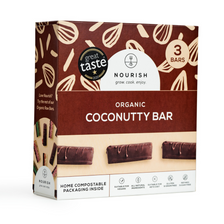
Coconutty Bars x 3 pack
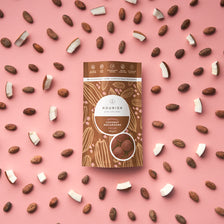
Organic Cacao Coconut Macaroons


